Welding Knowledge Center

Practical resistance welding guidance for project teams.

Process fundamentals, machine selection questions and application planning notes—written to help buyers and engineers prepare a clearer equipment brief.

Evidence-led contentGrounded in process requirements, workpiece information and real equipment context.

Featured guide

Start with the process question

A concise technical read for teams comparing welding routes before they request a machine proposal.

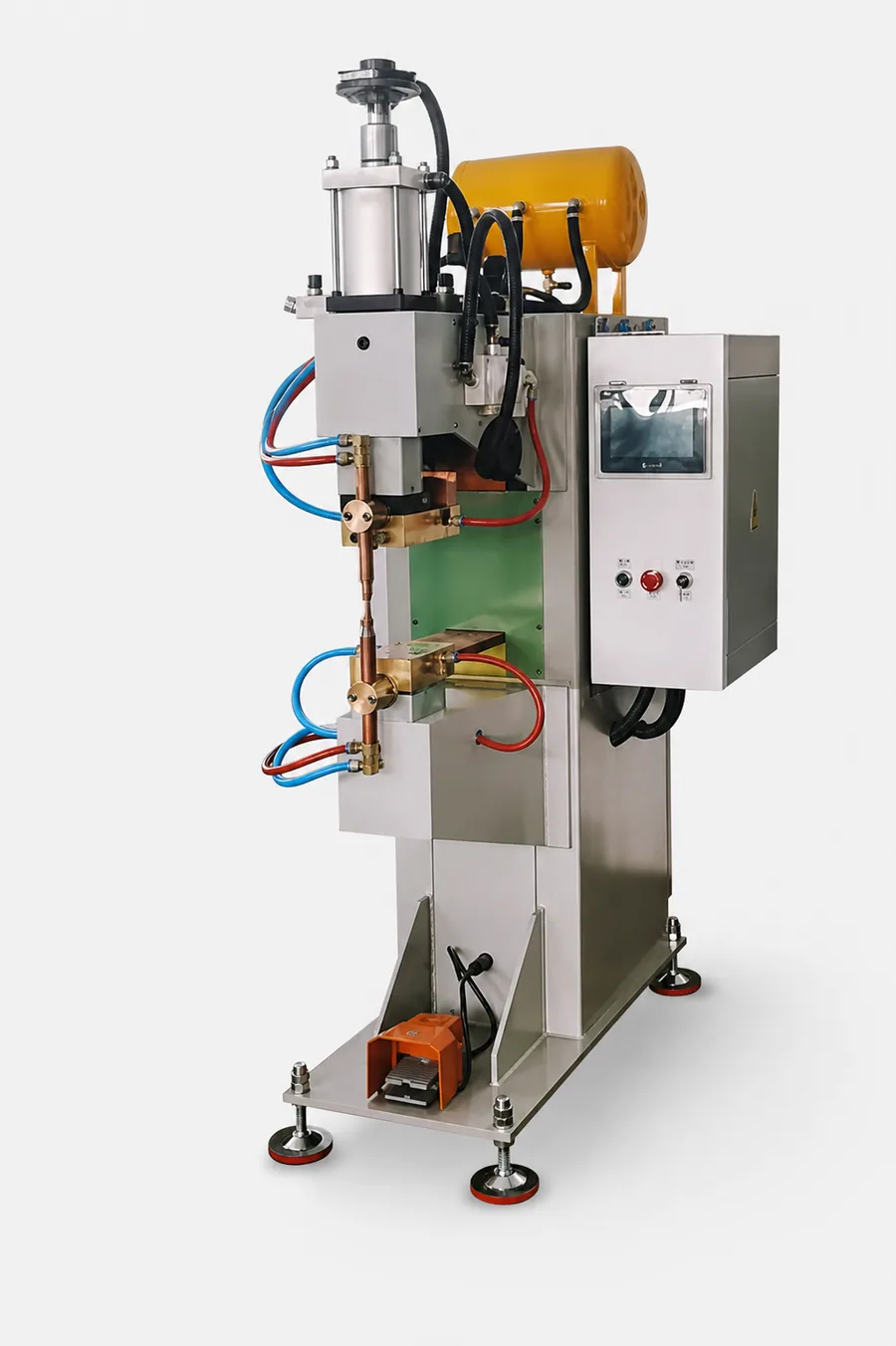
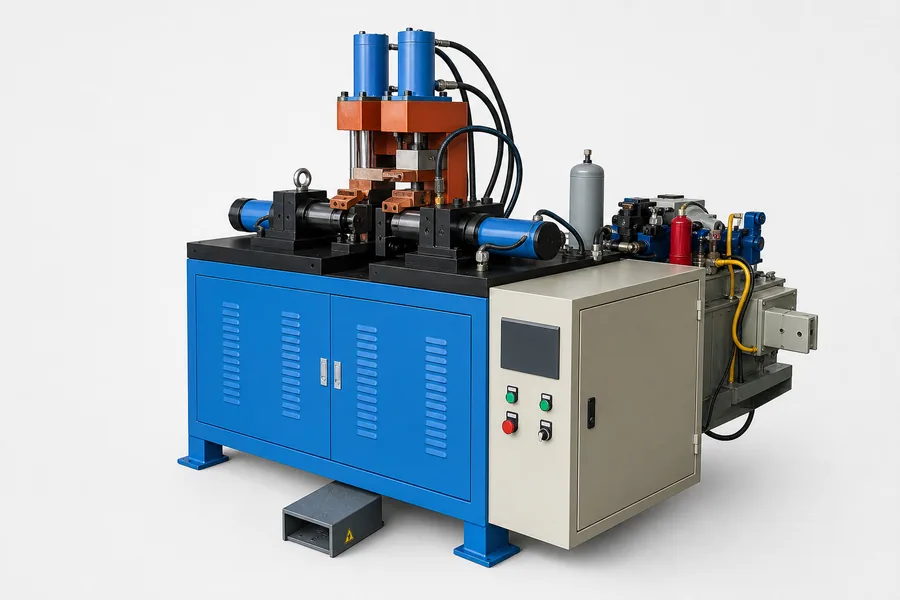
MFDC resistance spot and projection welding machine
Process Fundamentals

MFDC vs. AC Resistance Welding: How to Compare the Processes

A practical comparison of MFDC and conventional AC resistance welding for buyers evaluating current control, transformer size, utilities and application fit.

Read article

Technical library

Browse by topic or search the library

Local migration draft

Imported technical articles under review

These legacy articles now use the new blog route and visual template. Facts, old contact details and translations remain approval-gated.

Open full review center
Resistance brazing tool steel
News Center

Resistance brazing tool steel

Tool steel generally includes medium and low carbon steel tool steel, alloy steel and high-speed steel. In the high temperature of resistance brazing, their structure and properties are prone to problems of annealing, oxidation and decarburization.

Preview draft
Resistor brazing brass
News Center

Resistor brazing brass

Brass is a copper-zinc alloy. Zinc oxide and cuprous oxide are easily generated on the surface during resistance brazing at high temperatures. Although zinc oxide is relatively firmly bonded, it is relatively easy to remove with flux, so it does not affect the weldability.

Preview draft
How to resistance braze pure copper
News Center

How to resistance braze pure copper

Pure copper easily produces copper oxide and cuprous oxide during resistance brazing, but they are not difficult to remove with flux, so the weldability is good.

Preview draft
How to operate resistance brazing
News Center

How to operate resistance brazing

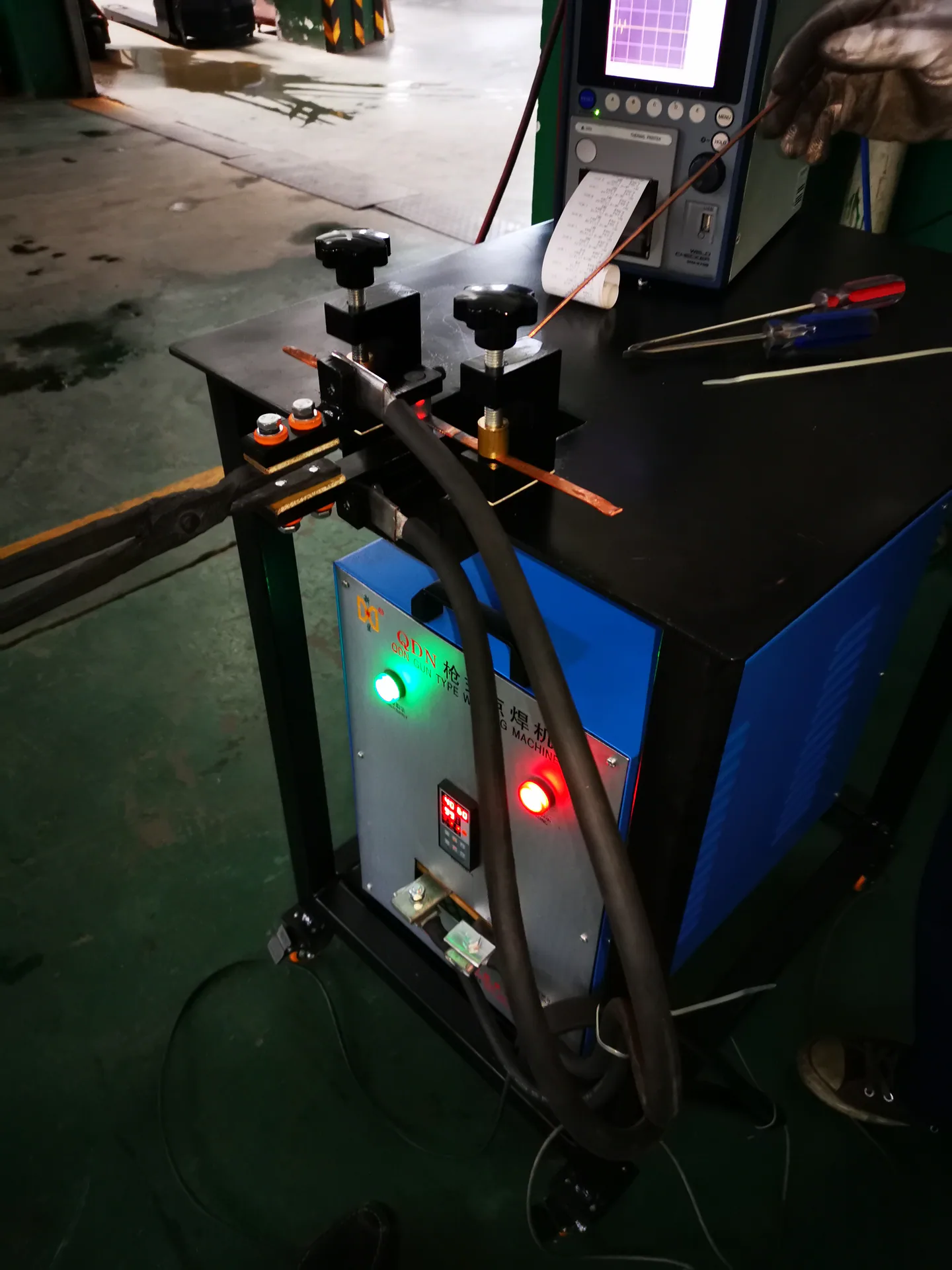
The operation of resistance brazing is very different from that of resistance spot welding. Resistance brazing needs to maintain a high temperature for a certain period of time to melt the filler metal, while spot welding requires heating to the melting point of the base metal before forging, so the operation is also different.

Preview draft
How to adjust welding parameters in resistance brazing
News Center

How to adjust welding parameters in resistance brazing

Xinxing Welding's resistance brazing machine has few parameters and is easy to operate. There is only one important parameter, which is the welding current.

Preview draft
How large should the gap be left for resistance soldering joints?
News Center

How large should the gap be left for resistance soldering joints?

If you want the strength and density of brazing to meet standards, the size of the gap must be controlled well. If the gap is too large, it will be difficult to fill it with solder, resulting in weak welding and poor strength. The gap is too small and it is difficult for the solder to penetrate into it.

Preview draft

Topic clusters

Move from research to a useful project brief

01

Understand the process

Compare how spot, seam, butt and stored-energy welding create the joint.

02

Define the workpiece

Record material, thickness, geometry, coating, access and quality targets.

03

Plan the equipment

Translate force, current, tooling, handling and cycle needs into a review scope.

Ready for an application review?

Share the workpiece before choosing the machine.

Material, joint geometry, target output and available utilities give the technical team a more useful starting point.